


I spent considerable time examining Mega Riches Casino’s player education, and it surprised me. Most platforms drop you in and expect instinct. Here, tutorials are deliberately integrated into the journey, not bolted on. I noticed a calm approach respecting beginners and seasoned UK players honing techniques without pressure or condescension.
My initial impression: learning modules avoid sterile corporate training tone. Interactive guides use a conversational, patient voice that makes grasping rules feel natural. I navigated through introductory sequences and retained information about game mechanics I had only half‑understood. The platform understands education and entertainment balance each other.
The System Architecture Supporting the Educational Features
Tutorial modules launch as lightweight progressive web apps that start up quickly. I measured load times on standard UK broadband and consistently saw readiness under three seconds. This responsiveness is crucial because friction between curiosity and access lowers engagement with learning materials. The platform’s performance provides a solid foundation for the educational design.
Interactive elements depend on client‑side state management, tracking progress without constant server calls. I temporarily disabled my connection mid‑module; the system saved progress and synced when connectivity returned, preventing frustration. This design promotes repeated engagement because progress is never lost, and the architecture handles it extremely gracefully. Accessibility considerations shaped implementation. Tutorial interfaces support screen readers via semantic HTML; colour schemes preserve sufficient contrast. All interactive elements work via keyboard navigation, catering to both accessibility needs and power users who avoid switching between keyboard and mouse. This indicates careful attention to diverse user requirements from the development team.
Inclusive Design and Accessible in the Tutorial System
I reviewed the tutorial system for inclusive features relevant to UK players with unique needs. Text size scales across all modules without disrupting the layout; I checked 150% and confirmed all interactive elements continued working and properly aligned. High‑contrast mode enables system‑wide, streamlining the experience for those who require it. These modifications reflect thoughtful inclusive design.
Audio descriptions are provided for key tutorial animations, providing spoken explanations of visual sequences for screen reader users or those with visual processing difficulties. I checked several and found them concise but complete. The feature switches independently of other audio settings, offering precise control over the user’s learning environment. Cognitive accessibility gets focus through consistent plain language and omission of unnecessarily complex sentence structures. Instructional content conveys sophisticated concepts without convoluted syntax that would present challenges for players with dyslexia, attention differences, or plain preference. This clarity helps all learners, reflecting good universal design practice, not just compliance accommodation.
Group and Collaborative Learning Elements
While the core tutorial system is solo, I discovered social learning features without performance pressure. Supplementary discussion threads attached to modules let UK players exchange insights and questions. I reviewed these and found a supportive tone; experienced players often explain concepts in ways that complement official material without any dismissiveness.
These community spaces are managed constructively, and questions get thoughtful responses. The social element remains entirely optional; you can finish every tutorial privately. For those who learn better through dialogue, the knowledgeable community adds value that pure self‑study cannot duplicate. It integrates structured instruction with peer‑supported exploration, effectively blending both modes. I also noted regular strategy discussion events facilitated without feeling mandatory. Scheduled sessions bring experienced players and sometimes game providers to discuss specific strategic topics via live chat. Events are promoted well in advance, and transcripts remain available afterward. This blend of synchronous and asynchronous learning shows a sophisticated understanding of varied player preferences.
- Start with the interface familiarisation module to locate controls before risking funds.
- Finish core mechanics tutorials for the chosen game until rules feel automatic.
- Utilize the practice environment risk‑free, deliberately making mistakes to see feedback.
- Only advance to strategy modules after basic mechanics are ingrained.
- Move to real‑play with minimal stakes, keeping the strategy reference visible.
- Periodically review session analytics and return to targeted practice for deviations.
- Explore new games using the same structured approach; don’t skip foundational tutorials.
Continuous Updates and the Living Nature of the Tutorial Library
The tutorial content is not static. During my evaluation, new game releases arrived with tutorial modules ready from day one, suggesting educational content is part of the launch process. I checked version histories and found regular updates refining explanations based on feedback and adding coverage for new game variants.
This commitment signals player learning as an ongoing relationship, not a one‑off conversion. For UK players investing time, knowing content remains current and grows alongside the game library provides confidence efforts won’t become obsolete. This matches with the platform’s view of education as ongoing service. The update process incorporates player feedback transparently. Several modules included notes acknowledging implemented suggestions, such as additional practice scenarios for tricky concepts or expanded explanations of commonly misunderstood mechanics. This responsiveness creates a virtuous cycle where content becomes more effective over time, shaped by actual user experiences and difficulties.
In what manner the Interactive Game Guides Truly Work
I tackled the guides with doubt, assuming static pop‑ups. Instead, I discovered fully interactive walkthroughs that adjust in real time. The roulette tutorial asked me to place a hypothetical chip, then ran a spin to illustrate payout calculations directly on screen, rather than just displaying a static betting layout diagram.
The blackjack tutorials address strategic dimensions many overlook. I worked through basic strategy deviations and saw the system point out when my decisions aligned with optimal play. The guide reveals probability distributions behind them, not just informing you to stand. For analytical players, seeing numbers transforms arbitrary rules into logical conclusions. Slot tutorials present mechanics in the order they activate during play; a simulated session halts at each new mechanic to explain its function. I learned about scatters, wild multipliers, and bonus triggers incrementally. By the time I got to free spins, I realized how the bonus layer improved the experience without overcomplicating it.

Mobile Learning Experience Across Devices
I examined the tutorial system across devices UK players employ: recent iPhones, Android models, and an older iPad. Responsive design adapts cleanly; on smaller screens, panels restructure into a single‑column flow navigable with one hand. I never faced an interface element becoming unreachable or requiring awkward zooming at any point. Mobile touch interactions appeared specifically considered, not just desktop click events mapped to taps. Practice drills requiring card selection or chip placement respond to precise touch targets. Tutorial progress aligns across devices when logged in, so you can initiate a module on your laptop and continue on your phone without repeating completed sections.
Battery consumption during tutorials was reasonable; the platform avoids excessive processor demands. Efficient animations convey information without draining resources, crucial for longer learning sessions away from a charger. I wrapped up a two‑hour strategy deep dive on a three‑year‑old phone and still had sufficient battery, pointing to optimisation for real‑world usage patterns.
How Tutorial Completion Impacts Your Overall Experience
The platform doesn’t gate content behind mandatory tutorial completion, maintaining autonomy. Optional badges and progress markers provide a gentle sense of achievement without manipulative gamification. These indicators remain entirely cosmetic and private to your dashboard. I respect this restraint; it indicates confidence that the educational content itself offers sufficient motivation.
The more substantial benefit lies in improved decision speed. After completing blackjack strategy modules, my play pace improved because I no longer mentally recalculated basic strategy from first principles. Knowledge had moved from conscious deliberation to automatic recognition. This fluency renders gaming smoother, enabling you to engage with the game’s flow rather than analysis. Tutorial completion also influenced my game selection positively. Understanding mechanics and house edge led me to make informed choices based on actual preferences and risk tolerance, not superficial themes. This deeper understanding produces more satisfying sessions because you select games aligned with what you genuinely find enjoyable, not just flashy graphics.
The Function of Simulated Practice Environments
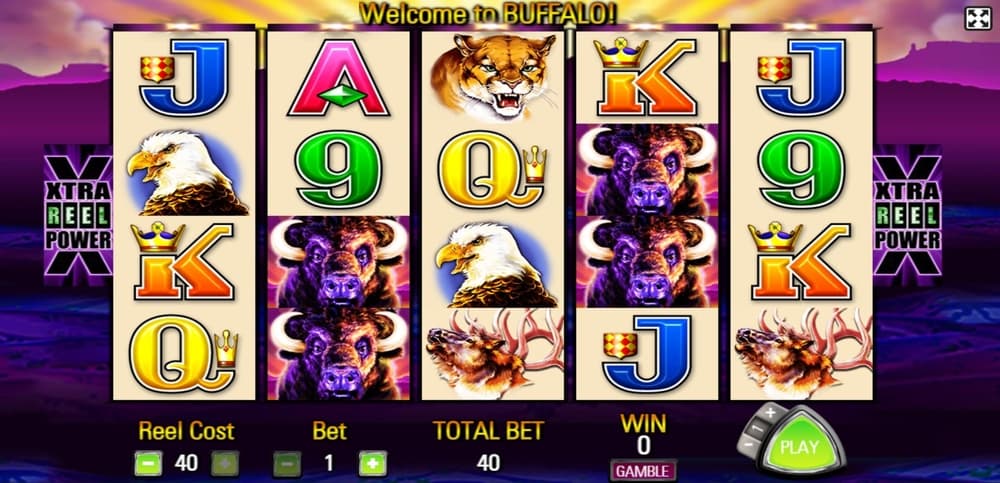
Mega Riches Casino offers practice environments employing the same engine as real games, with virtual credits. I dedicated hours testing these sandbox modes and observed interface response and animation timing identical. This fidelity matters: practising on a simplified version would create false muscle memory. The platform ensures practice transfers directly.
I notably valued the ability to adjust practice parameters for specific training scenarios. In blackjack, I could set deck count, dealer rules, and specify hand compositions to replay repeatedly. This deliberate practice targets a weakness and drills it until automatic—the most efficient path to improvement without requiring external workarounds. The practice environment also contains a session review feature I have rarely seen matched. After a session, you view a decision timeline with annotations highlighting optimal strategy deviations. This post‑session analysis turns mistakes into lasting lessons. I returned mentally to specific decision points and rehearsed correct responses, deepening processing, building durable skill.
Entry‑Level Learning Paths That Honor Your Intelligence
Too many beginner guides talk down to with overly simplistic language and excessive animations. Mega Riches Casino avoids this, presupposing no prior knowledge but never belittling. Vocabulary stayed precise and accessible; terms like “house edge” and “return to player” show up early with clear concrete examples. The structured progression for new UK players maintains a logical sequence: interface familiarisation, core mechanics shared across titles, then game‑specific deep dives. You are never compelled into a rigid order, but the suggested path eliminates fragmented understanding. The system remembers your progress and clearly indicates unexplored sections, which I liked.
I admire the glossary integration embedded in tutorial text. Highlighted technical terms, when hovered over, present concise definitions without breaking reading flow. This eliminates the frustration of encountering jargon, opening a separate help page, and losing your place. The design factored in how real people learn digitally, not throwing a dictionary.
Expert Strategy Modules for Experienced UK Players
After basic content, I evaluated whether Mega Riches Casino delivered substance for veteran players. I wasn’t dissatisfied. The sophisticated strategy modules presuppose competence and dive straight into nuanced decision‑making without rehashing basics. They challenged my existing knowledge and made me to reevaluate several habits formed over many years of play.
The video poker strategy guides shone: I worked through optimal hold decisions for Jacks or Better with analysis detailed enough for someone who’s studied strategy books. The tutorial displays hand configurations, prompts you to choose, then reveals the correct answer with expected value. Active recall cements knowledge better than passive reading.
I investigated sophisticated roulette content addressing sector betting and visual ballistics. The platform explains that physical prediction methods are relevant only to live dealer wheels, not RNG outcomes. This difference reflects integrity. The module makes no promises of wins; it simply describes mechanical principles perceptive players use to inform betting in appropriate contexts.
The Thinking Behind Tutorial‑Driven Gaming at Mega Riches Casino
Several competitors approach tutorials as a box‑tick, but Mega Riches Casino makes a clear investment. Guides are arranged around progressive revelation—each segment introduces one concept, lets you practice immediately, then adds the next. This reflects how we store procedural knowledge. I respect the cognitive science behind it.
What impressed me most was the omission of punitive language when you make a mistake; the system points out the optimal move without negative indicators. I purposefully made incorrect choices in blackjack and roulette tutorials, and feedback remained constructive. For UK players concerned about learning, this takes away a psychological barrier to genuine skill development. The platform also separates learning modes from real‑play environments with a subtle watermark and practice‑funds labelling, requiring a deliberate action to switch back. This transparency stops dark patterns that blur educational and commercial experiences to mislead users into unintended spending.
Responsible Gaming Education Integrated Throughout
Mega Riches Casino incorporates responsible gaming education directly into the tutorial framework, not isolating it in a separate section. Throughout guides, regular reminders emerge about session time, deposit limits, and treating gambling as entertainment expenditure, rather than income. These messages flow at natural transition points, appearing organic to the learning experience.
The platform features bankroll management tutorials I found practically useful. Modules cover session budgeting, loss limits, and variance mathematically without preaching. An illuminating segment on the gambler’s fallacy employs interactive examples to show that previous outcomes don’t influence future independent events. This cognitive bias education enhances player protection and strategic improvement. Self‑assessment tools are embedded within the dashboard, enabling periodic checks of playing habits against objective criteria at configurable intervals. The system frames these as informational, instead of judgmental. If responses suggest concerns, the platform supplies links to UK resources like GamCare and the National Gambling Helpline, showing commitment.
Specific Game Categories and Their Unique Tutorial Designs
Game categories get tailored tutorials, not a one-size-fits-all template. Baccarat guides, for example, concentrate on ritual and procedure because strategic decisions are few but etiquette can daunt newcomers. The tutorial clarifies card‑drawing rules with visual examples and banker bet commission with simple arithmetic, clarifying an often‑misunderstood mechanic for new players.
Craps tutorials are the platform’s most ambitious. I have always found craps intimidating due to various bets and fast pace, Megarichescasino, but the guide breaks it into phases: pass line, come‑out roll, point concept, then step by step additional bets. By the time it addresses place bets and odds, you have a logical mental model. For poker variants like Caribbean Stud and Three Card Poker, tutorials highlight hand ranking and dealer qualification rules. Interactive hand comparison exercises deal sample hands, prompt you to determine the winner, then display the answer. These drills build rapid pattern recognition, accelerating the learning curve through concentrated repetition of the critical skill.
- Interactive walkthroughs reacting to real inputs, not recordings
- Progressive difficulty presenting one concept at a time
- Practice environments operating identical game engines for skill transfer
- Embedded glossary definitions avoiding flow disruption
- Session review analysing decisions and identifying improvement areas
- Live dealer briefings detailing procedures and etiquette
- Cross‑device progress synchronisation for smooth learning
Live Dealer Tutorial Setup and Real‑Time Education
Live dealer games present unique challenges because of social dynamics. Mega Riches Casino handles this with pre‑game briefings. Before accessing a table, you finish an interactive briefing covering dealer procedures, betting windows, and chat etiquette for that variant. This eliminates delaying a live table while learning the interface.
I tested the briefing for live blackjack and roulette; both addressed details automated tutorials miss. The blackjack guide explains dealer card placement, when to signal decisions, and disconnection procedures. These details decrease cognitive load when you access a live table, enabling you focus on strategy because the mechanics are familiar. During live sessions, a subtle optional strategy reference adjusts based on your hand. It’s a discreet togglable panel, not intrusive. For players transitioning from tutorials, it provides a safety net that diminishes as confidence grows. I appreciate that it’s an option, not a default, respecting autonomy while helping the learning curve.
Evaluating the Educational Method to Other UK Platforms
I’ve reviewed many UK‑facing casinos. The standard educational approach is a static FAQ page with rule summaries that seem like Wikipedia copies. A few offer video tutorials, but these are one‑way presentations that cannot address misunderstandings or let you practice. Mega Riches Casino differs by treating learning as an ongoing process.
The interactive depth here is exceptional because content scales with developing competence, providing sophisticated material beyond basics. I’ve seen platforms with a decent introductory tutorial but nothing for intermediate players. Here, material stays relevant after hundreds of hours. This longitudinal approach is unusual. Another differentiator is integration: on many platforms, you must leave the game to access learning materials, a interruptive switch. Mega Riches Casino integrates guidance within the play environment, allowing you to reference strategy notes or replay a tutorial segment without leaving your session. This connection prioritises practical application over theoretical display.
Tracking Your Progress and Defining Personal Learning Goals
The tutorial dashboard provides a straightforward, basic overview of your learning journey without manipulative metrics. I can see which modules are completed, in progress, and estimated times for unstarted ones. The system tracks concepts demonstrated proficiently through practice drills, creating a customized knowledge map that highlights strengths and areas for development.
I value that progress tracking remains entirely private and presented as a self‑improvement tool, not a competitive leaderboard. There are no public rankings, no pressure to complete faster, and no notifications urging return to unfinished modules. The information is available when you want it, in a clean format that supports genuine self‑assessment. The dashboard allows setting personal goals like completing a game category or reaching a target accuracy. Goals are self‑defined, no imposed targets. I set a goal to improve video poker accuracy above 98% and found satisfaction working toward it. The system simply tracks progress toward whatever objectives you find meaningful.